Social Media Management & Strategy
| Location | Duration | Kenyan Cost | Non-Kenyan Cost | Upcoming Schedules |
|---|---|---|---|---|
| Nairobi, Kenya | 5 Days | KES 100,000 | USD 1,300 |
| Location | Duration | Non-Kenyan Cost | Register |
|---|---|---|---|
| Online | 5 Days | USD 550 |
| Register |
|---|
Social Media Management & Strategy
About the Course
This course equips professionals with the strategic and practical skills needed to manage social
media platforms effectively and drive measurable business results. Participants will learn how to
develop social media strategies, create engaging content, manage communities, and use analytics
to continuously improve performance across platforms.
Target Participants
- ● Social media managers and officers
- ● Marketing and communications professionals
- ● Small business owners and entrepreneurs
- ● Content creators and digital marketers
- ● NGO and corporate communications staff
What You Will Learn
- ● Develop a comprehensive social media strategy aligned with business goals
- ● Understand platform-specific best practices (Facebook, Instagram, LinkedIn, X, TikTok)
- ● Create engaging and platform-appropriate content
- ● Build and manage a content calendar
- ● Manage online communities and audience engagement
- ● Use social media analytics and reporting tools
- ● Manage brand reputation and handle online crises
- ● Apply influencer marketing and partnership strategies
- ● Measure and report on social media ROI
Course Duration
- ● Face-to-face workshops: 5 days
- ● Virtual Training: 7 days
- ● LMS: Self-paced learning
Course Outline
Social Media Strategy Fundamentals
- ● The role of social media in business and brand strategy
- ● Setting social media goals and objectives
- ● Understanding your target audience and platform fit
- ● Competitor analysis and social listening
- ● Developing a social media strategy document
Platform-Specific Management
- ● Facebook and Instagram management best practices
- ● LinkedIn for professional and B2B engagement
- ● X (Twitter) and real-time engagement strategies
- ● TikTok and short-form video content
- ● Choosing the right platforms for your audience
Content Creation and Planning
- ● Content pillars and themes
- ● Writing engaging captions and copy
- ● Visual content creation basics
- ● Building and managing a content calendar
- ● Repurposing content across platforms
Community Management and Engagement
- ● Building and nurturing an online community
- ● Responding to comments, messages, and reviews
- ● Managing negative feedback and online criticism
- ● Crisis management and reputation protection
- ● Encouraging user-generated content and advocacy
Paid Social Media and Influencer Marketing
- ● Introduction to paid social advertising
- ● Audience targeting and budget allocation
- ● Boosting content vs. running structured campaigns
- ● Influencer marketing strategies and partnerships
- ● Measuring paid campaign performance
Analytics, Reporting, and ROI
- ● Key social media metrics and KPIs
- ● Using native platform analytics tools
- ● Third-party social media management and analytics tools
- ● Reporting social media performance to stakeholders
- ● Calculating and demonstrating social media ROI
Training Approach
This course will be delivered through a coaching-first approach that goes beyond traditional
instruction. Whether in our Nairobi classroom, live virtual cohorts, or through our White Label
LMS, participants engage in a safe and nonjudgmental learning environment designed for
meaningful transformation.
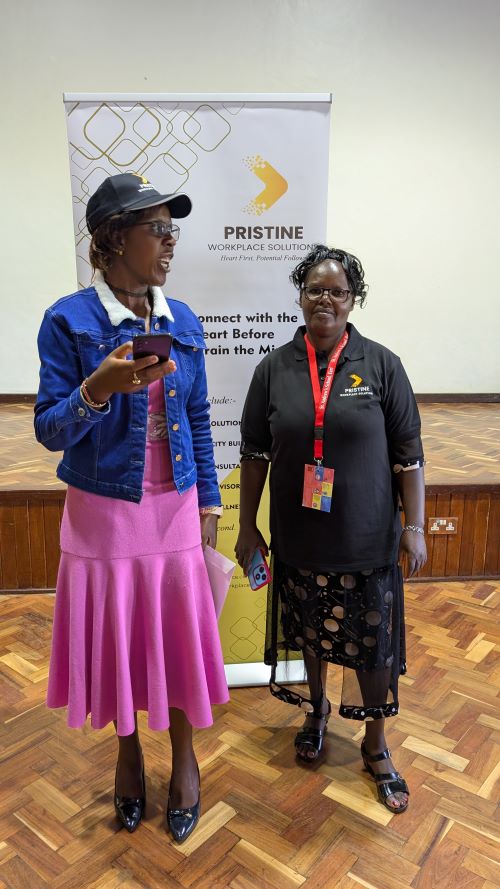
We focus on the individual behind the professional title, connecting with the heart before
training the mind. This approach encourages reflection, practical application, and deeper
engagement, ensuring that learning is not only understood but also internalized and applied with
confidence.
Certification
Participants will receive a certificate upon successful completion of the course, recognizing their
knowledge and practical competence.
Customized Training Solutions
This course can also be delivered as a tailor-made program, designed to address the specific
needs, priorities, and operational challenges of your organization.