Pipeline Engineering & Asset Integrity Management
| Location | Duration | Kenyan Cost | Non-Kenyan Cost | Upcoming Schedules |
|---|---|---|---|---|
| Nairobi, Kenya | 5 Days | KES 100,000 | USD 1,300 |
| Location | Duration | Non-Kenyan Cost | Register |
|---|---|---|---|
| Online | 5 Days | USD 550 |
| Register |
|---|
Pipeline Engineering & Asset Integrity Management
About the Course
This course equips engineers and technical professionals with the knowledge and skills to
manage pipeline systems and maintain asset integrity throughout their operational life.
Participants will explore pipeline design principles, integrity management systems, inspection
and maintenance practices, and the regulatory frameworks that govern safe and reliable pipeline
operations.
Target Participants
- ● Pipeline and process engineers
- ● Asset integrity and reliability engineers
- ● Maintenance and inspection professionals
- ● HSE professionals in pipeline operations
- ● Operations managers overseeing pipeline infrastructure
What You Will Learn
- ● Understand pipeline design and engineering principles
- ● Apply asset integrity management frameworks
- ● Conduct risk-based inspection and maintenance planning
- ● Manage corrosion control and prevention strategies
- ● Understand pipeline regulatory and compliance requirements
- ● Manage pipeline incidents and emergency response
- ● Apply fitness-for-service assessments
- ● Manage pipeline lifecycle from design to decommissioning
- ● Build a culture of proactive asset integrity management
Course Duration
- ● Face-to-face workshops: 5 days
- ● Virtual Training: 7 days
- ● LMS: Self-paced learning
Course Outline
Foundations of Pipeline Engineering
- ● Overview of pipeline systems and their role in oil and gas
- ● Pipeline design principles and standards
- ● Materials selection and pipeline construction methods
- ● Pipeline routing and right-of-way considerations
- ● Types of pipelines: gathering, transmission, and distribution
Asset Integrity Management Frameworks
- ● What is asset integrity management and why it matters
- ● Integrity management systems and standards
- ● Asset lifecycle management for pipelines
- ● Roles and responsibilities in integrity management
- ● Building an integrity management plan
Risk-Based Inspection and Maintenance
- ● Principles of risk-based inspection (RBI)
- ● Inspection techniques: in-line inspection, hydrostatic testing
- ● Non-destructive testing methods
- ● Developing a maintenance and inspection schedule
- ● Managing inspection data and integrity records
Corrosion Control and Prevention
- ● Causes and types of pipeline corrosion
- ● Cathodic protection systems
- ● Coatings and corrosion inhibitors
- ● Internal corrosion monitoring
- ● Managing corrosion risk over the pipeline lifecycle
Monitoring, Fitness-for-Service, and Compliance
- ● Pipeline monitoring technologies and SCADA systems
- ● Leak detection systems and methodologies
- ● Fitness-for-service assessments
- ● Pipeline regulatory frameworks and compliance requirements
- ● Managing pipeline permits and certifications
Incident Management and Lifecycle Planning
- ● Pipeline emergency response planning
- ● Incident investigation and root cause analysis
- ● Managing pipeline repairs and remediation
- ● Pipeline decommissioning and abandonment
- ● Continuous improvement in integrity management practices
Training Approach
This course will be delivered through a coaching-first approach that goes beyond traditional
instruction. Whether in our Nairobi classroom, live virtual cohorts, or through our White Label
LMS, participants engage in a safe and nonjudgmental learning environment designed for
meaningful transformation.
We focus on the individual behind the professional title, connecting with the heart before
training the mind. This approach encourages reflection, practical application, and deeper
engagement, ensuring that learning is not only understood but also internalized and applied with
confidence.
Certification
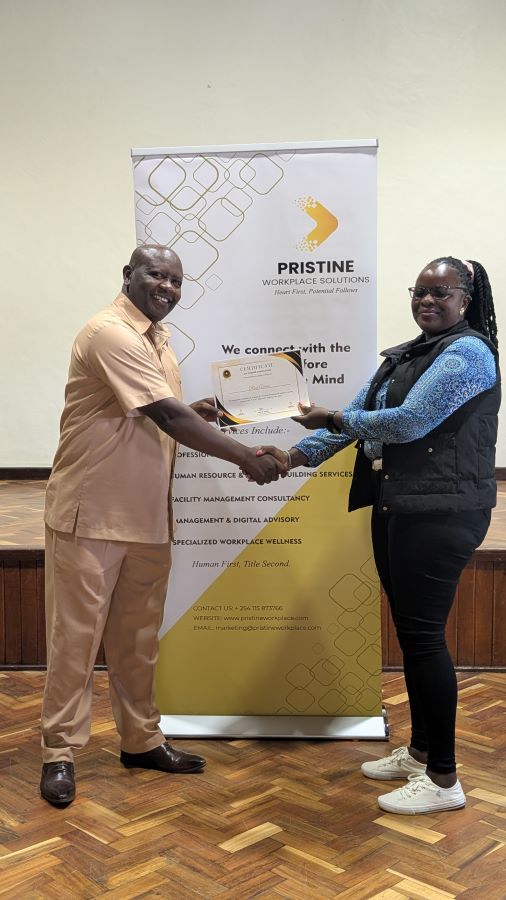
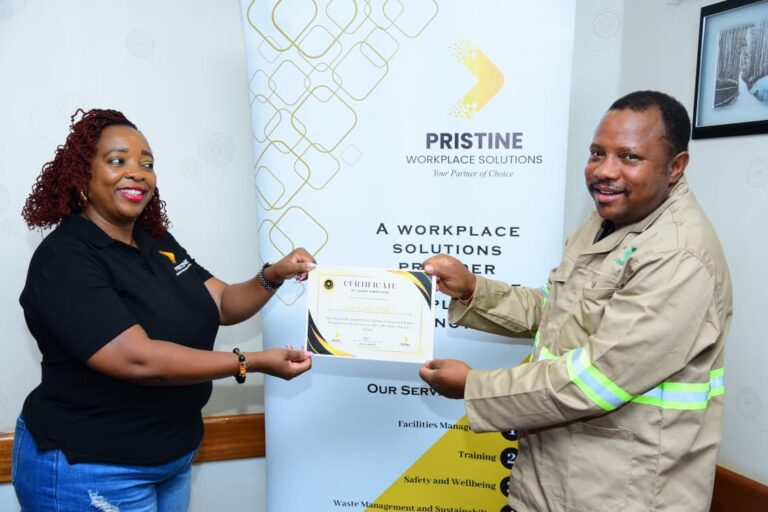
Participants will receive a certificate upon successful completion of the course, recognizing their
knowledge and practical competence.
Customized Training Solutions
This course can also be delivered as a tailor-made program, designed to address the specific
needs, priorities, and operational challenges of your organization.