Project Management Fundamentals
| Location | Duration | Kenyan Cost | Non-Kenyan Cost | Upcoming Schedules |
|---|---|---|---|---|
| Nairobi, Kenya | 5 Days | KES 100,000 | USD 1,300 |
| Location | Duration | Non-Kenyan Cost | Register |
|---|---|---|---|
| Online | 5 Days | USD 550 |
| Register |
|---|
Project Management Fundamentals
About the Course
This course provides participants with a solid foundation in project management principles,
tools, and techniques. It introduces the full project lifecycle, from initiation and planning through
to execution, monitoring, and closure, equipping participants with the practical skills to manage
projects of varying complexity with confidence and structure.
Participants will gain a clear understanding of what makes projects succeed and develop the
competence to lead and contribute to project teams effectively.
Target Participants
- ● Professionals new to project management
- ● Administrative and programme officers
- ● Team members transitioning into project roles
- ● NGO and development sector professionals
- ● Government and public sector officers managing projects
- ● Business owners and entrepreneurs managing growth projects
What You Will Learn
- ● Understand the principles and concepts of project management
- ● Apply the project management lifecycle from initiation to closure
- ● Develop project plans, schedules, and budgets
- ● Identify and manage project risks and issues
- ● Lead and coordinate project teams effectively
- ● Monitor project progress and manage variances
- ● Communicate with project stakeholders
- ● Use project management tools and templates
- ● Understand project governance and reporting
- ● Close projects and capture lessons learned
Course Duration
- ● Face-to-face workshops: 5 days
- ● Virtual Training: 7 days
- ● LMS: Self-paced learning
Course Outline
Introduction to Project Management
- ● What is a project and what is project management
- ● The project management lifecycle: initiation, planning, execution, monitoring, closure
- ● Key project management concepts and terminology
- ● Project management frameworks: PMBOK, PRINCE2, and Agile overview
- ● The role of the project manager
Project Initiation
- ● Developing a project charter and business case
- ● Defining project scope, objectives, and deliverables
- ● Identifying project stakeholders
- ● Conducting a feasibility assessment
- ● Setting up project governance structures
Project Planning
- ● Developing a work breakdown structure (WBS)
- ● Creating project schedules and Gantt charts
- ● Resource planning and allocation
- ● Budget development and cost estimation
- ● Communication and stakeholder engagement planning
Risk and Issue Management
- ● Identifying and assessing project risks
- ● Managing issues as they arise
- ● Escalation procedures and decision-making
- ● Monitoring and reviewing risks throughout the project
- ● Risk registers and mitigation strategies
Project Execution and Team Management
- ● Leading and coordinating a project team
- ● Managing project communications and meetings
- ● Tracking progress against plan
- ● Managing changes and scope creep
- ● Procurement basics in project contexts
Project Monitoring, Reporting, and Closure
- ● Monitoring project performance using KPIs
- ● Progress reporting to stakeholders and sponsors
- ● Managing project variances and corrective actions
- ● Project closure: handover, sign-off, and documentation
- ● Capturing lessons learned and post-project review
Training Approach
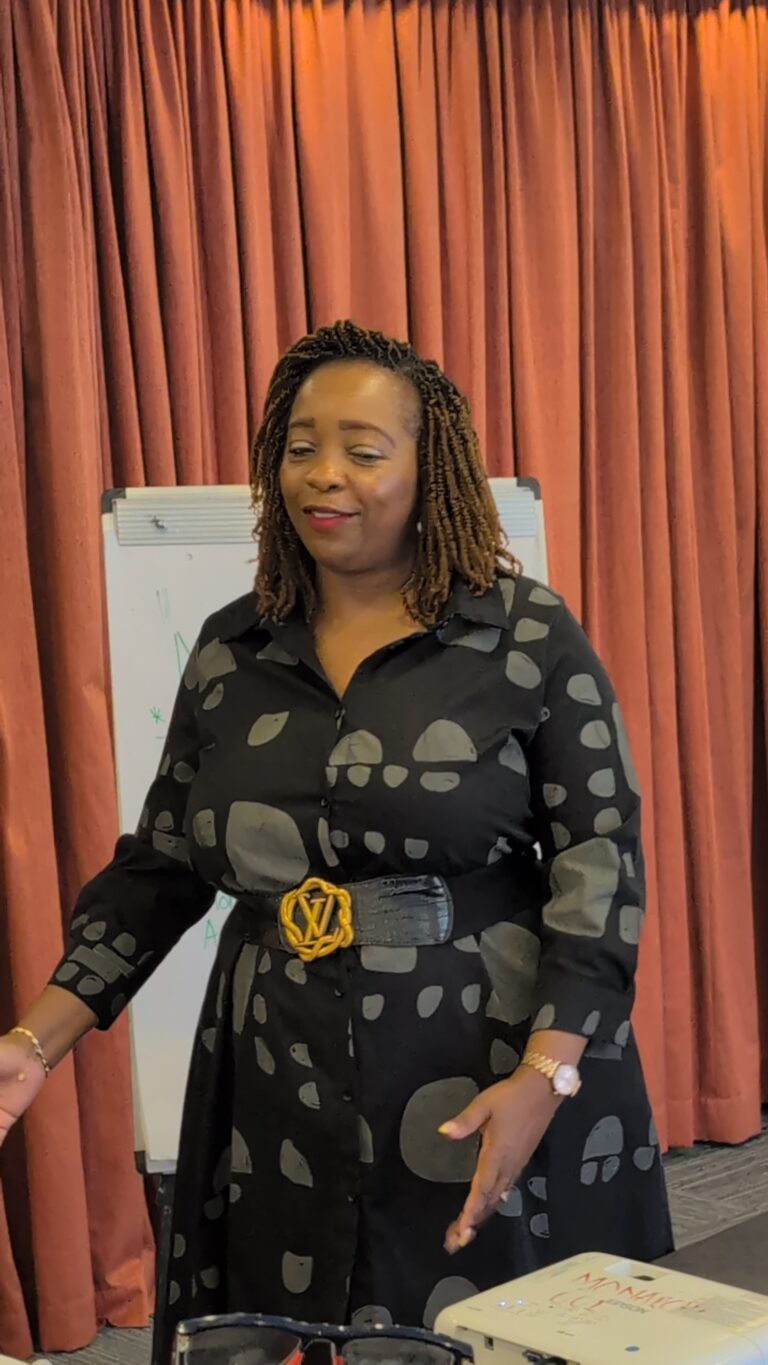
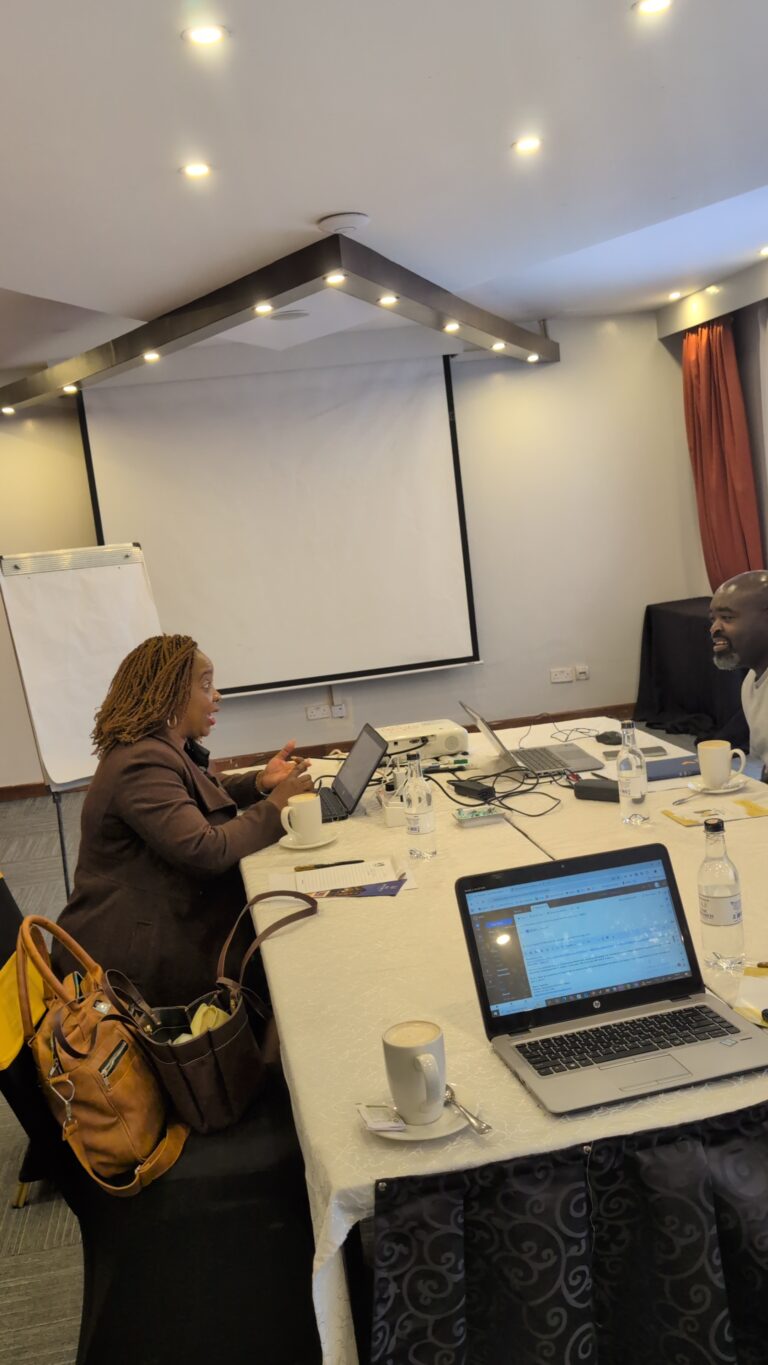
This course will be delivered through a coaching-first approach that goes beyond traditional
instruction. Whether in our Nairobi classroom, live virtual cohorts, or through our White Label
LMS, participants engage in a safe and nonjudgmental learning environment designed for
meaningful transformation.
We focus on the individual behind the professional title, connecting with the heart before
training the mind. This approach encourages reflection, practical application, and deeper
engagement, ensuring that learning is not only understood but also internalized and applied with
confidence.
Certification
Participants will receive a certificate upon successful completion of the course, recognizing their
knowledge and practical competence.
Customized Training Solutions
This course can also be delivered as a tailor-made program, designed to address the specific
needs, priorities, and operational challenges of your organization.