Petroleum Contracts & Commercial Agreements Management
| Location | Duration | Kenyan Cost | Non-Kenyan Cost | Upcoming Schedules |
|---|---|---|---|---|
| Nairobi, Kenya | 5 Days | KES 100,000 | USD 1,300 |
| Location | Duration | Non-Kenyan Cost | Register |
|---|---|---|---|
| Online | 5 Days | USD 550 |
| Register |
|---|
Petroleum Contracts & Commercial Agreements Management
About the Course
This course provides professionals with a thorough understanding of the contractual and
commercial frameworks that govern oil and gas operations. Participants will explore the
structure and negotiation of petroleum contracts, joint venture agreements, and commercial
arrangements, developing the skills to manage contracts effectively and protect organisational
interests throughout the contract lifecycle.
Target Participants
- ● Contracts and commercial managers in oil and gas
- ● Legal and compliance professionals in the energy sector
- ● Procurement and supply chain professionals
- ● Government and regulatory officers managing petroleum agreements
- ● Joint venture and partnership managers
- ● Finance professionals involved in contract administration
What You Will Learn
- ● Understand the types of petroleum contracts and agreements
- ● Analyze production sharing contracts and concession agreements
- ● Manage joint operating agreements and joint ventures
- ● Negotiate commercial terms in petroleum contracts
- ● Manage contract administration and compliance
- ● Understand fiscal terms and their commercial implications
- ● Manage contract variations, disputes, and dispute resolution
- ● Apply risk allocation principles in petroleum contracts
- ● Understand local content requirements in contracts
- ● Monitor contractor and partner performance against agreements
Course Duration
- ● Face-to-face workshops: 5 days
- ● Virtual Training: 7 days
- ● LMS: Self-paced learning
Course Outline
Foundations of Petroleum Contracts
- ● Overview of petroleum contract types and structures
- ● Concession agreements vs. production sharing contracts
- ● Risk service contracts and hybrid models
- ● Key parties and stakeholders in petroleum contracts
- ● The contract lifecycle in oil and gas
Production Sharing Contracts (PSCs)
- ● Structure and key clauses of a PSC
- ● Cost recovery mechanisms and profit sharing
- ● Work programme and minimum expenditure obligations
- ● Relinquishment and contract extension provisions
- ● Negotiating PSC terms
Joint Operating Agreements and Joint Ventures
- ● Structure of joint operating agreements (JOAs)
- ● Operator and non-operator roles and responsibilities
- ● Cash calls, audits, and financial management in JVs
- ● Decision-making and voting procedures
- ● Managing disputes between joint venture partners
Commercial and Fiscal Terms
- ● Royalty, tax, and profit-sharing arrangements
- ● Bonus payments and signature bonuses
- ● Cost recovery limits and ring-fencing
- ● Understanding the commercial impact of fiscal terms
- ● Comparing fiscal regimes across jurisdictions
Contract Negotiation and Risk Allocation
- ● Principles of effective contract negotiation
- ● Risk identification and allocation in petroleum contracts
- ● Force majeure, indemnity, and liability clauses
- ● Local content and community development obligations
- ● Managing contract variations and amendments
Contract Administration and Dispute Resolution
- ● Contract administration processes and systems
- ● Monitoring compliance and performance against contracts
- ● Managing contract disputes and arbitration
- ● International arbitration in oil and gas disputes
- ● Lessons learned in contract management
Training Approach
This course will be delivered through a coaching-first approach that goes beyond traditional
instruction. Whether in our Nairobi classroom, live virtual cohorts, or through our White Label
LMS, participants engage in a safe and nonjudgmental learning environment designed for
meaningful transformation.
We focus on the individual behind the professional title, connecting with the heart before
training the mind. This approach encourages reflection, practical application, and deeper
engagement, ensuring that learning is not only understood but also internalized and applied with
confidence.
Certification
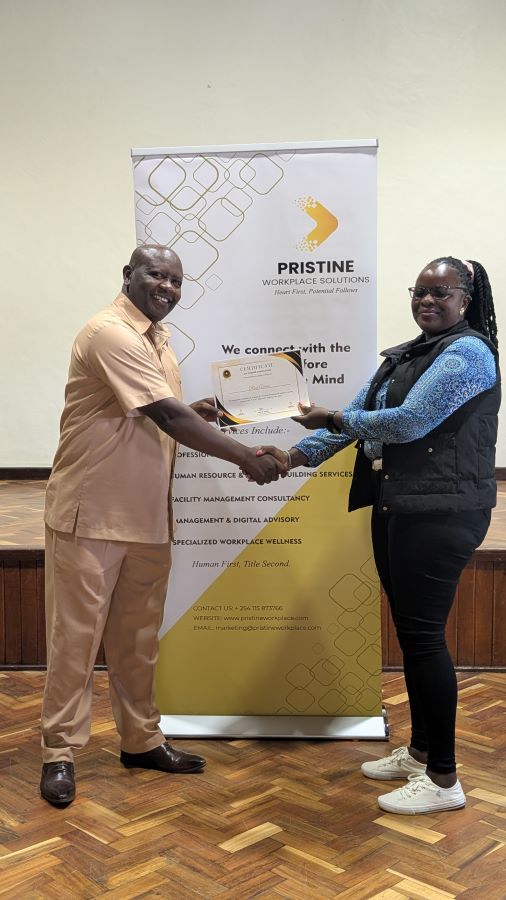
Participants will receive a certificate upon successful completion of the course, recognizing their
knowledge and practical competence.
Customized Training Solutions
This course can also be delivered as a tailor-made program, designed to address the specific
needs, priorities, and operational challenges of your organization.