Project Management
| Location | Duration | Kenyan Cost | Non-Kenyan Cost | Upcoming Schedules |
|---|---|---|---|---|
| Nairobi, Kenya | 5 Days | KES 100,000 | USD 1,300 |
| Location | Duration | Non-Kenyan Cost | Register |
|---|---|---|---|
| Online | 5 Days | USD 550 |
| Register |
|---|
About the Course
This course is designed to equip professionals with the knowledge and practical skills required to
plan, execute, monitor, and successfully deliver projects within scope, time, and budget. It
focuses on applying structured project management methodologies to ensure efficiency,
accountability, and successful project outcomes.
Participants will gain a comprehensive understanding of project lifecycle management, including
initiation, planning, execution, monitoring, and closure. The course also explores modern tools,
techniques, and best practices used in managing projects across different industries.
By the end of the training, participants will be able to manage projects effectively, mitigate risks,
optimize resources, and deliver value to stakeholders.
Target Participants
This course is ideal for:
- ● Project managers and coordinators
- ● Team leaders and supervisors
- ● Operations and administrative professionals
- ● Engineers and technical staff
- ● Business and program managers
- ● Entrepreneurs and business owners
- ● Anyone involved in project planning and execution
What You Will Learn
- ● Understand the fundamentals of project management
- ● Apply project lifecycle principles
- ● Develop project plans and schedules
- ● Manage project scope, time, and cost
- ● Identify and manage project risks
- ● Allocate and manage project resources
- ● Apply project management tools and techniques
- ● Monitor and evaluate project performance
- ● Communicate effectively with stakeholders
- ● Manage project teams and collaboration
- ● Ensure quality in project delivery
- ● Successfully close and evaluate projects
Course Duration
- ● Face-to-face workshops: 5 days
- ● Virtual Training: 7 days
- ● LMS: Self-paced learning
Course Outline
Introduction to Project Management
- ● Definition and importance of project management
- ● Characteristics of a project
- ● Project management lifecycle
- ● Role of a project manager
- ● Key project management principles
Project Initiation
- ● Identifying project needs and objectives
- ● Developing business cases
- ● Stakeholder identification and analysis
- ● Project scope definition
- ● Feasibility analysis
Project Planning
- ● Developing project plans
- ● Work breakdown structure (WBS)
- ● Scheduling and timeline development
- ● Resource planning and allocation
- ● Budgeting and cost estimation
Project Execution
- ● Implementing project plans
- ● Managing project teams
- ● Communication and coordination
- ● Ensuring quality standards
- ● Managing project deliverables
Monitoring and Control
- ● Tracking project performance
- ● Key performance indicators (KPIs)
- ● Managing scope, time, and cost
- ● Risk identification and mitigation
- ● Change management in projects
Project Risk Management
- ● Identifying project risks
- ● Risk assessment and analysis
- ● Risk mitigation strategies
- ● Contingency planning
- ● Managing uncertainties
Project Communication and Stakeholder Management
- ● Communication planning
- ● Stakeholder engagement strategies
- ● Reporting and documentation
- ● Managing expectations
- ● Conflict resolution in projects
Project Quality Management
- ● Quality planning and assurance
- ● Quality control techniques
- ● Continuous improvement
- ● Ensuring project standards
Project Closure and Evaluation
- ● Closing project activities
- ● Final reporting and documentation
- ● Evaluating project outcomes
- ● Lessons learned and knowledge transfer
- ● Post-project review
Project Management Tools and Techniques
- ● Introduction to project management software
- ● Gantt charts and scheduling tools
- ● Agile and traditional methodologies
- ● Collaboration tools
- ● Data-driven project management
Leadership and Team Management in Projects
- ● Leadership skills for project managers
- ● Building and managing project teams
- ● Motivation and performance management
- ● Decision-making in projects
- ● Managing team dynamics
Practical Applications and Case Studies
- ● Real-world project scenarios
- ● Case study analysis
- ● Group exercises and simulations
- ● Applying project management concepts
- ● Continuous improvement strategies
Training Approach
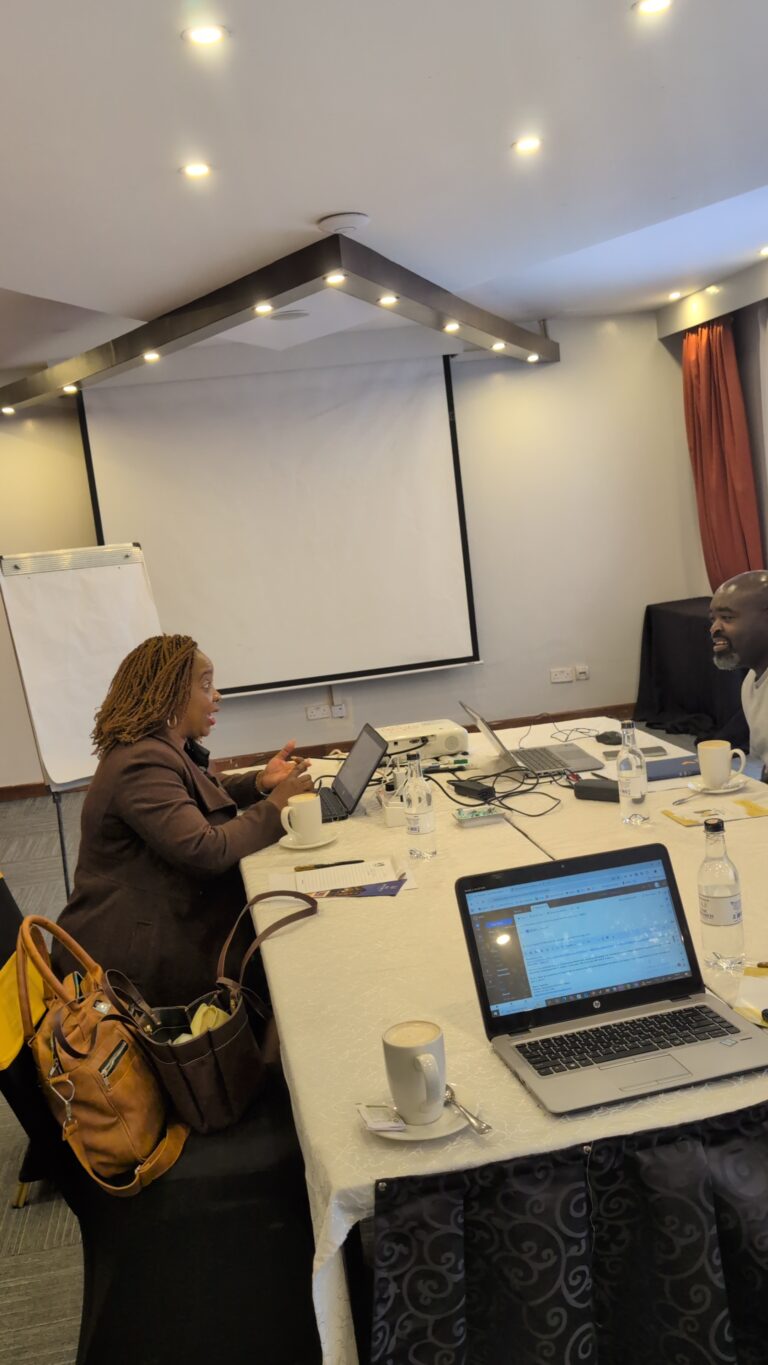
This course will be delivered through a coaching-first approach that goes beyond traditional
instruction. Whether in our Nairobi classroom, live virtual cohorts, or through our White Label
LMS, participants engage in a safe and nonjudgmental learning environment designed for
meaningful transformation.
We focus on the individual behind the professional title, connecting with the heart before
training the mind. This approach encourages reflection, practical application, and deeper
engagement, ensuring that learning is not only understood but also internalized and applied with
confidence.
Certification
Participants will receive a certificate upon successful completion of the course, recognizing their
knowledge and practical competence.
Customized Training Solutions
This course can also be delivered as a tailor-made program, designed to address the specific
needs, priorities, and operational challenges of your organization.